

Nigeria's Flamingos become first African team to win FIFA U-17 Women’s World Cup…

On 7 November in Rabat, Nigeria’s Flamingos beat Japan 2–1 to become the first African team to win the FIFA U-17 Women’s World Cup. To the players, their coaches and the families and communities who helped them get there, congratulations. Girls watching across Nigeria and beyond saw a team like theirs become world champions.
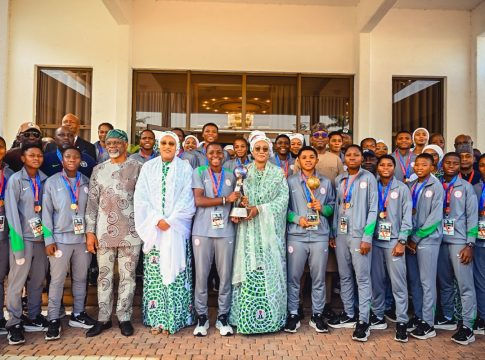
What happened after the final deserves attention too. Business of Sports Africa reported that President Bola Ahmed Tinubu approved ₦100 million for each player, to be held in savings bonds, with interest intended to support education and training. Nigeria’s response raises a question for FIFA. What could every young player take home from a World Cup that would still matter five years later?

Youth Charter calls on FIFA to establish a Youth World Cup Scholarship Fund for every future U-17 and U-20 World Cup, across the women’s and men’s competitions, as part of the FIFA Talent Academies that are being delivered across 10 African countries. Every registered player should leave with an education and training entitlement, whatever their team’s result and wherever their football career takes them.
What a FIFA scholarship should cover

A player might use it to finish school, pay for an apprenticeship, attend university or gain a coaching qualification. For some, the cost of transport, equipment or internet access will determine whether they can take up that opportunity. The fund should cover those practical costs too. Players should be able to draw on the scholarship over several years, with advice and mentoring to help them choose a route that suits them.

FIFA should commit a dedicated share of tournament funding, invite commercial partners to contribute and guarantee the same minimum entitlement across the women’s and men’s competitions. The money should be ring-fenced, independently overseen and available to players after they leave their national youth squad. FIFA should publish annual figures showing how many players accessed the fund, what they studied and how many completed their education or training.
From the World Cup to the community

Through Youth Charter’s Soccerwise programme and Community Campus Model, we see a role for schools, clubs and trained Social Coaches in helping players turn a scholarship into a plan they can follow at home. Alongside the individual entitlement, FIFA could offer grassroots grants to widen access to football, particularly for girls in communities where there are few opportunities to play. The young people who watch a World Cup and decide to give football a go should have somewhere local to start.
We ask the FIFA Council to commit to the fund ahead of the next youth World Cup and bring young players, player unions, national associations and education partners into its design. Before the first ball is kicked, every player should know what support they can count on when they return home.
The Flamingos have given Nigeria and African football a moment to celebrate. FIFA can build on their achievement by making education and training a lasting part of every youth World Cup.




Comments