

From Protection to Prevention: Why Sport Must Be Central to Ending Violence Against Women and Girls...
- Mar 5
- 4 min read
Updated: Mar 6

A Youth Charter / WFTS Opinion

International Women’s Day is both a celebration and a reckoning.
Across the world we recognise the extraordinary achievements of women in leadership, science, culture and sport. Yet we are also reminded that the safety, dignity and opportunity of women and girls remain far from guaranteed.
In the United Kingdom alone, police record around 200 rapes every day, with many more incidents never reported. The government has therefore rightly declared violence against women and girls a national emergency and committed to halving such violence within a decade.
The new UK Governments Violence Against Women and Girls strategy rightly strengthens enforcement: specialist investigators, stronger protection orders and new tools to pursue offenders. These measures represent an important step forward. But enforcement alone cannot solve a problem that is rooted in culture, behaviour and opportunity.
The real question this International Women’s Day must ask is simple: How do we prevent violence before it occurs?
Prevention Begins with Empowerment

Too often, public policy focuses on responding to violence after harm has already taken place. Policing and justice are essential, but they intervene at the point of crisis. True prevention must begin earlier — with the development of confidence, awareness, resilience and opportunity for women and girls. Sport provides one of the most powerful vehicles to achieve this.
For more than three decades, the Youth Charter has worked with governments, cities and international organisations to demonstrate how sport, culture and the arts can transform lives and communities. From Commonwealth initiatives in the late 1990s through to the legacy work of the Birmingham 2022 Commonwealth Games, sport has consistently proven its ability to build confidence, leadership and social cohesion among young people.
Yet sport’s role in addressing violence against women and girls has often been overlooked.
The Leadership of Janice Argyle Thompson

At the heart of the Youth Charter’s work in this field is the leadership of Janice Argyle Thompson, Co-Founder of the Youth Charter and Executive Director of the organisation.
As a former World Karate Champion, Janice Argyle Thompson has long championed the power of martial arts not only as a sport, but as a pathway to empowerment and personal confidence for women and girls. Her advocacy is grounded not only in sporting excellence but in lived experience.
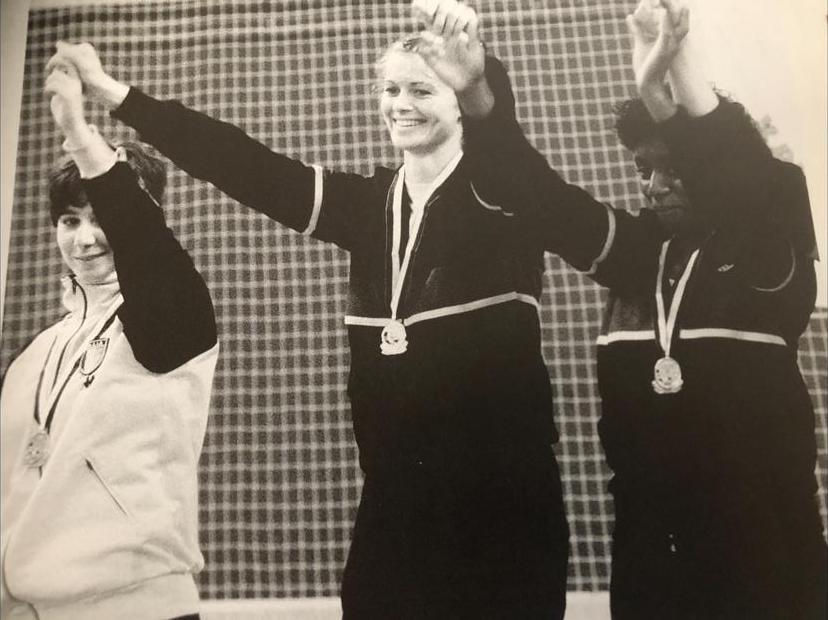
She has spoken openly about how martial arts provided a pathway to reclaim confidence and control after experiencing violence as a young woman. Through discipline, awareness and respect, martial arts helped rebuild self-belief and resilience — lessons that have since shaped her life’s work in youth empowerment and community development.
This perspective has informed the Youth Charter’s approach to tackling violence against women and girls through sport. For Janice Argyle Thompson, martial arts are not about teaching violence. They are about teaching awareness, discipline, emotional resilience and self-belief.
These qualities are powerful protective factors for young women navigating an increasingly complex and sometimes unsafe world.
Sport as a Platform for Confidence and Safety
Fear often shapes the lives of women and girls long before a crime is ever reported. It affects where people travel, the activities they pursue and whether they feel safe participating in community life. Sport- particularly martial arts and self-defence disciplines- can play a vital role in addressing this reality. Participation in sport helps women and girls develop:
physical confidence
awareness of personal boundaries
emotional resilience under pressure
leadership and teamwork skills.

These are not simply sporting outcomes. They are life skills that strengthen agency and personal security. Through the Youth Charter’s Social Coach Leadership Programme and Community Campus Model, these opportunities are increasingly being embedded within local communities.
A Practical Proposal: One Million Hours of Empowerment
This International Women’s Day must be about more than reflection. It must also be about action. The Youth Charter is therefore proposing a national initiative delivering one million hours of free, accredited self-defence and confidence training for women and girls.
Championing this proposal, Janice Argyle Thompson has emphasised that empowerment must be treated as an essential pillar of prevention. The programme would:
utilise the UK’s existing network of martial arts clubs and community sport providers
be delivered through Youth Charter Community Campuses
provide trauma-informed and female-centred training
complement government strategies addressing violence against women and girls.
This approach recognises that while enforcement addresses perpetrators, empowerment strengthens potential victims with the confidence and awareness that can help prevent harm.
The Global Role of Sport for Gender Equality

Sport’s contribution to gender equality must also be understood within a wider global framework. The United Nations Sustainable Development Goals highlight the importance of gender equality, health, education and peaceful societies. Sport for Development and Peace initiatives have increasingly demonstrated that sport can contribute to all of these objectives.

The Youth Charter’s Community Campus Model - now operating across the UK and internationally - integrates sport, education, culture and digital skills to provide young people with pathways of opportunity.
Within this model, programmes specifically supporting the empowerment of women and girls are becoming an increasingly important priority.
A Call for Leadership
International Women’s Day should not only celebrate progress. It should challenge us to accelerate it. Governments must continue strengthening enforcement against perpetrators of violence. But they must also invest in the confidence, resilience and opportunities that prevent violence in the first place. Sport has the infrastructure. Communities have the expertise.

Leaders and sport for development advocates like Janice Argyle Thompson have demonstrated how martial arts and sport can empower women and girls with the confidence and agency to shape their own futures. What is required now is the political will to scale these solutions. If we are serious about ending violence against women and girls, we must recognise that prevention does not begin in the courtroom.
It begins in the community- on the training mat, the playing field and the spaces where confidence, dignity and respect are learned.
This International Women’s Day the message is clear:
Empowerment is Prevention


Comments